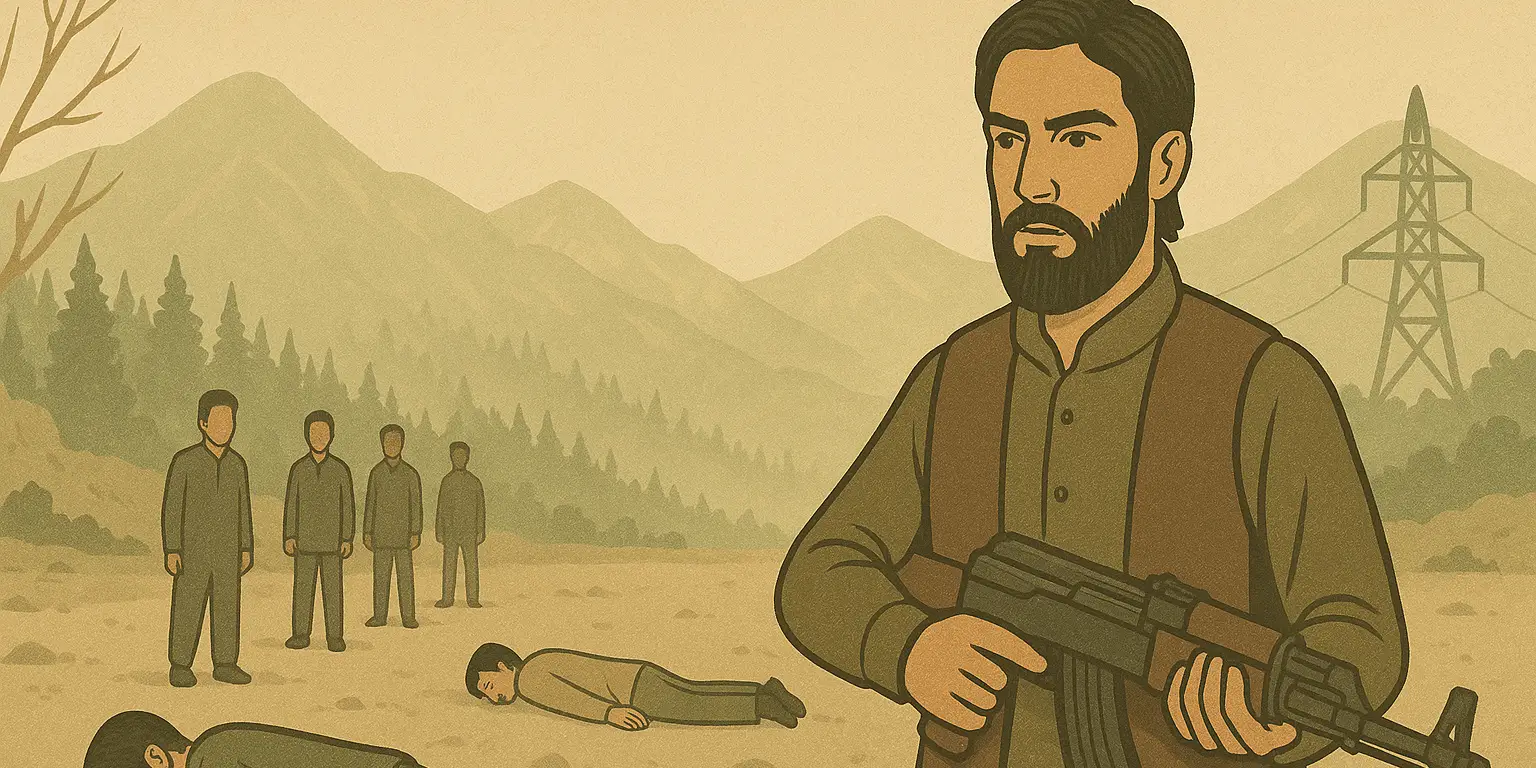
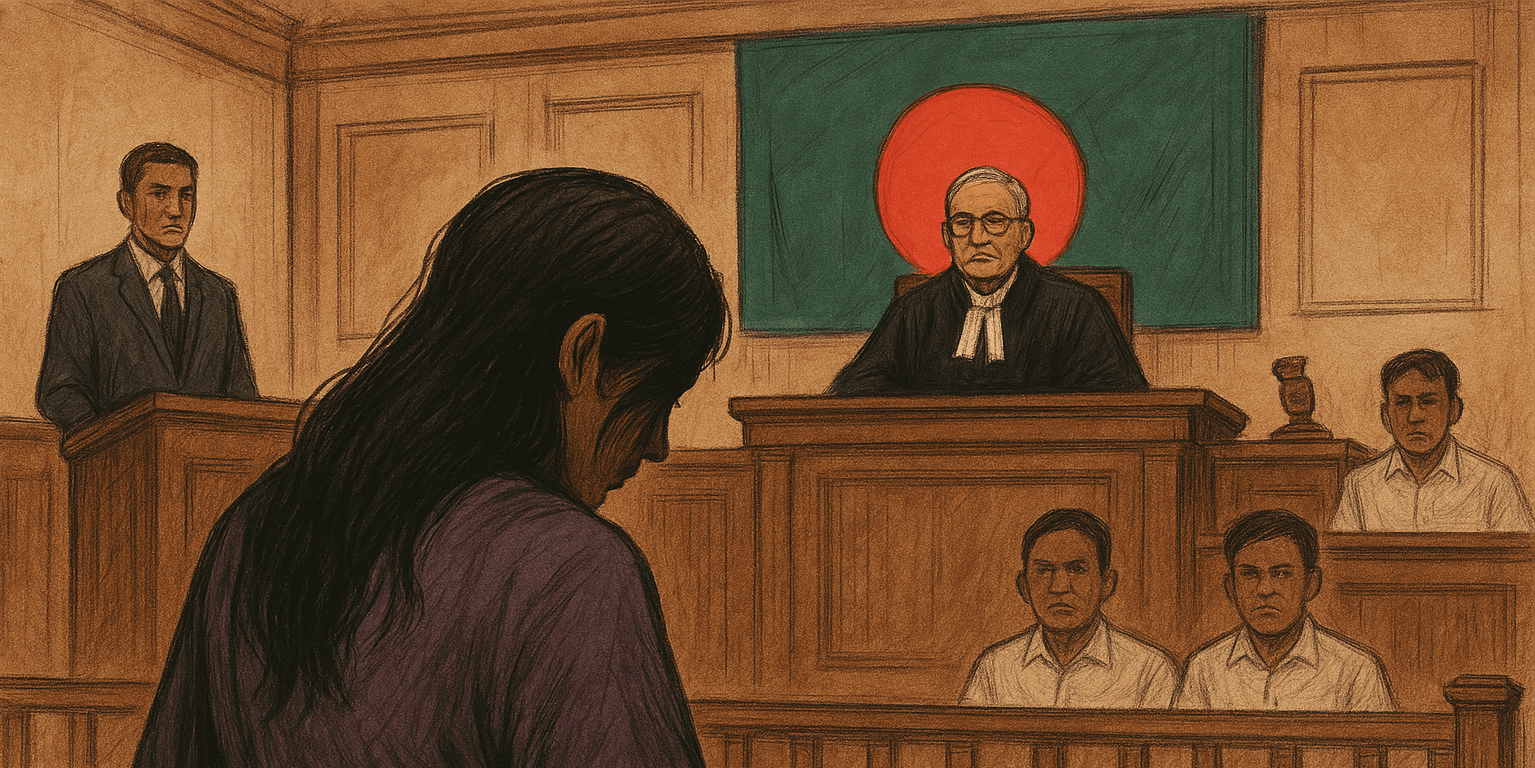
The rape and consequent death of Asiya, an 8-year-old has sent shockwaves through the nation, from mass protests to the burning of the perpetrator’s residence, there has been a clear uproar in the country. While the citizen’s stance has been explicit in their show of public rage, the law is yet to take swift action.
The trial has not yet started and the suspect, the victim’s sister’s father-in-law, and his family have only been taken on a remand. Still, by Bangladeshi standards, this is deemed a fast response and one can easily argue that this is due to the extensive media coverage on this matter. The latest available news is that the prime suspect Hitu Sheikh confessed to the crime but no further updates are available as to the suspects’ punishment.
In a country where a 50-year-old man can rape and then murder an 8-year-old, it seriously raises questions on the country’s laws against rape. Would a death sentence to rape have stopped this from occurring? Would the fear of severe legal punishment have prevented his family members from helping him cover such a heinous act?
A quick glance at the definition of rape (Penal Code, 1860, section 375) according to the law makes it glaringly obvious how sexist and deeply harmful the law is. Rape is defined as “sexual intercourse without consent or against her will” but does not define consent or will. So, in instances where victims are unable to express a clear ‘no’ what happens in these trials? What constitutes consent, is the clear use of verbal disagreement required? Or are signs of physical restraint required? What if the victims were unable to fight back, is it deemed that they were consenting? How can the law not have clear guidelines and why is justice being left to judges’ discretion?
In the case of Asiya, how should a child express dissent? How and why should an 8 year old even understand the concept of consent?
Bangladeshi law does not acknowledge marital rape, under the definition of rape, it reads, “Exception. Sexual intercourse by a man with his own wife, the wife not being under thirteen years of age, is not rape.” So, if a 13-year-old wife is raped by her husband, the law does not recognize this detrimental crime as rape. Aside from how appalling it is that the law does not recognize marital rape, it also allows the age of consent and marriage to be 13? For context, more than 150 countries in the world recognize and criminalize marital rape. From the definition of the crime alone, women are put at a disadvantage even in the eyes of the law itself.
The law also harms men as well, not even recognizing rape when committed against men, only criminalizing the instance a man rapes a woman. So, when men are raped, there is no legal course to follow. This just goes to show how patriarchy harms men themselves.
Another common and persistent problem is the inefficiency of the system in ensuring prompt medical assistance. Rapid forensic reports help identify the suspects and would therefore be one step in the direction of justice. But this is rarely ever the case. Due to societal stigma, such as predicted difficulty in later marriage proposals, many cases often go unreported. According to DOJ statistics about 63% of instances of rape in the US go unreported, and in a comparatively regressive and patriarchal country like Bangladesh, it is only fair to assume that the number must be higher. And why should victims bother reporting if justice seems like such a faraway concept?
A 2020 Harvard study on rape also revealed how politics did play rapists evading justice, with courts letting rapists go on the basis of their ties to the then-political powers.
Another deterrent to victims reporting is the culture of victim blaming, imagine not only being subjected to a violent crime only to have your ‘character’ questioned in court? Coupled with no clear definition of consent, if a woman does not fit the narrative of what conservative Bangladeshi society wants of her, it is easy to imagine the court siding with and letting her rapist go. According to a vice news report of a video documentary on rape in Bangladesh, a wide variety of people being interviewed from police officials to religious clerics agreed that rape is caused by women and their ‘indecent’ attire or personal activities.
Even though men are usually the ones to commit rape, why are women and their actions held accountable? In ensuring justice for rape victims, we must start with putting the blame where it belongs, on perpetrators rather than victims. Rapists should be held accountable for their actions no matter what the victim was wearing or doing. Consent and will should be clearly defined so that these patriarchal and highly common viewpoints do not influence a court’s decisions on siding with the rapist.
Since marital rape is not even recognized in the country’s law, let’s take a look into US statistics again. A whopping 10 to 14% of women in the US are subjected to marital rape and this is a country without the excessive societal pressure on women to get married, so one can only imagine how much greater the problem must be in Bangladesh, with forced marriages and child brides in villages.
The gender roles present in the definition of rape by law must be removed to make space for justice of male rape victims.
Since proper medical examinations are a pathway to justice by providing proof and identification of the rapists, swift and thorough medical examinations must be made a compulsory part of the legal proceedings carried out effectively and extremely rapidly. But this would also mean victims have to report the crime as soon as possible so social stigmas around rape towards victims should by all means be destigmatized. Delayed reporting because of contemplation happens due to the prevalent victim-blaming mindset, which needs to be eradicated. This would also help other victims to come forward to make sure less and less rapes go unreported.
Our major problem is that rape is usually not successfully proven in court in Bangladesh. But even when it might be, the punishment is death or life imprisonment. It may seem like the death penalty being a possible retribution is progressive but it only creates a darker narrative. The death penalty creates a grim incentive for rapists to pursue murder to hide their tracks.
So, when severe punishment backfires what is the solution? Without misogyny and it reinstating a power imbalance between genders, would rape thrive? The 2021 Harvard study links rape to men and their need for control and aggressive dominance rather than sexual satisfaction. So, would that not link rape to the patriarchy? If men were not conditioned to think themselves on a higher ground, is it not possible to say they would not end up committing rape? If rapists viewed women as their equals, they would engage in such a huge invasion of bodily autonomy.
Sexual education, especially the concept of consent needs to be heavily broadcasted to the general public. Clear definitions of consent should be instilled into teenagers in school, so that they may never act in someone else’s dissent, whether it may be man or woman.
According to Police HQ data, in the last December alone sexual violence towards women and children has surged 19.5% and rape cases, sexual assault, and murder make headlines every other day. With newfound freedom found in the country, it is essential and there is no better time than now for the law and society to reform to make this country a safe space for half its population.